How to Tell If Your Roofing Job Was Done Poorly
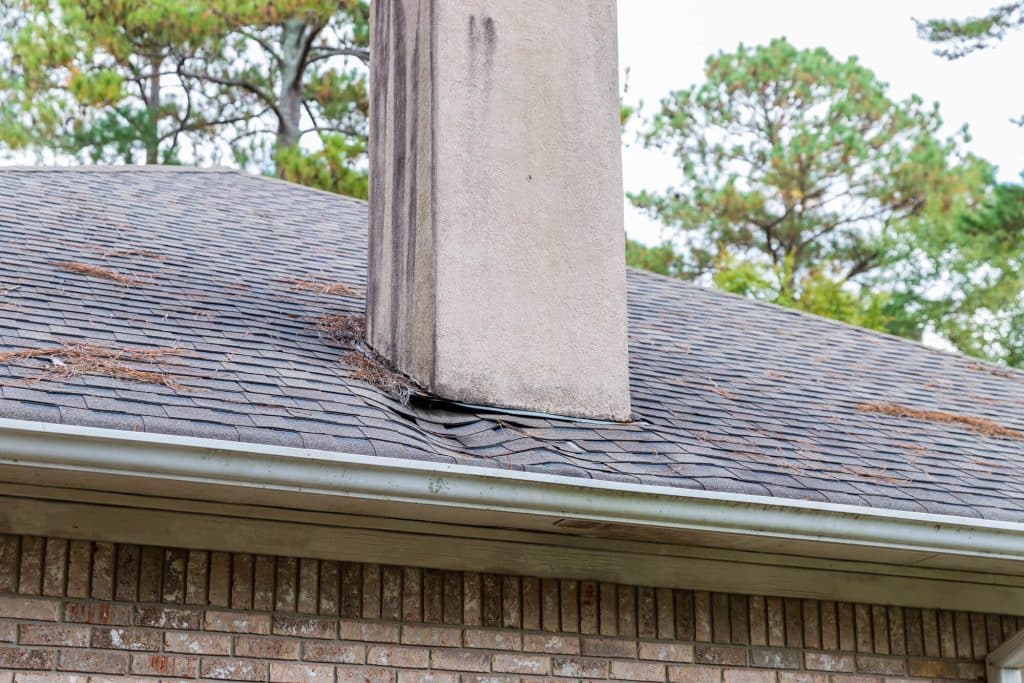
Table of Contents
- Key Takeaways
- What Are The Signs Of A Poor Roofing Job?
- a. Uneven Appearance
- b. Water Intrusion
- c. Damaged Materials
- d. Missing Components
- e. A Messy Site
- Inspecting The Finer Details
- Flashing Problems
- Nail Placement
- Underlayment Issues
- Attic Ventilation
- Protect Your Home and Avoid Costly Repairs
Understand how to recognize if your roofing work was completed poorly and avoid larger headaches later. Signs like crooked shingles, substandard flashing, or recurring leaks are a warning signal.
Bad ventilation or inharmonious materials can cut your roof short. Catching these problems early protects your home’s value and saves you from expensive repairs. In this guide by TurnKey Roofers, we’ll delineate typical warning signs and how to respond if your roof falls short. If you’re unsure about the condition of your roof, reach out to us today—we’ll walk you through your options and help keep your home safe and secure.
Key Takeaways
- Sagging rooflines, out-of-place shingles, and exposed gaps all tell of inferior roofing.
- Ceiling stains, attic mildew, or leaks around vents and chimneys all indicate inferior sealing or drainage. Always check for water intrusion following a roof.
- Cracked or missing shingles, for example, are an indicator of poor materials. Inspect all materials utilized, particularly if it is of good condition and quality.
- A dirtily rotten job area, with remnants of nails or rubbish, reflects a substandard roofing job. They should not depart the site broken and in shambles, as these firms frequently do.
- Nailing location, flashing alignment, and underlayment installation are all vital to durable roof performance.
What Are The Signs Of A Poor Roofing Job?

Prevent unwanted and expensive roof repairs by knowing if the job done on your roof is not as good as it should be. Here are some of the most crucial warning signs to watch out for.
1. Uneven Appearance
Pay attention to rooflines that seem wavy or sagging–this typically indicates structural issues or incorrect installation. Misaligned shingles are another red flag, not only from a functionality standpoint, but when it comes to aesthetics.
2. Water Intrusion
Leaks after the first rain are a dead giveaway. Leaks along your walls and ceilings indicate the roof was not waterproof, while mold or water spots in the attic indicate that they were not sealed well around key areas. Look around chimneys, vents, or skylights for live leaks. Defective drainage systems can trap water, accelerating the degradation of the roof.
3. Damaged Materials
Broken, curled, or missing shingles indicate cheap material or sloppy workmanship. Shattered flashing around edges and penetrations like chimneys or vents can let water in. Early wear, like loss of granules on shingles, indicates improper material handling. Always verify that quality, defect-free materials were installed.
4. Missing Components
Roofing underlayment, so important for moisture protection, is frequently neglected in shoddy roof work. Skipped drip edges permit water to enter the roof structure, and if flashing is improperly installed or skipped, it will permit leaks in valleys or at chimneys. Make sure vents, so important to good ventilation, were replaced and properly installed.
5. A Messy Site
Trailing nails, shingles, or tools scattered around the job site yell unprofessional. Property damage to siding, gutters, or landscaping during the job is an indicator of sloppiness.
Inspecting The Finer Details

Close inspection can uncover poor workmanship, rotten materials, or unsafe conditions that could make the roof leak or degrade early.
-
Flashing Problems
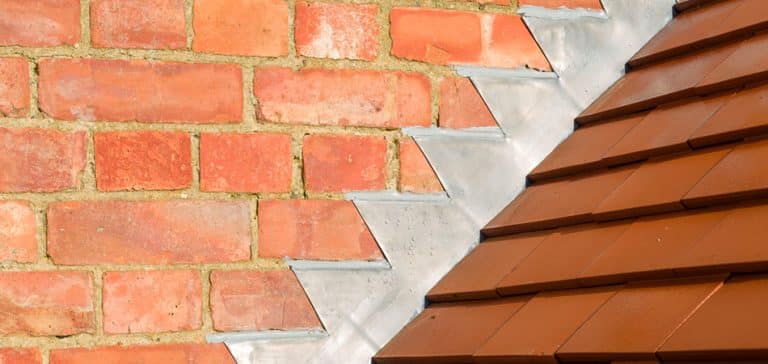
Flashing is essential in diverting water away from susceptible locations. Look for holes, rust, or badly sealed flashing, all of which cause leaks. Flashing should be nailed tightly and lapped the right way. Crooked or loose flashing will give way during a downpour.
-
Nail Placement
Bad nail spacing indicates bad installation. Nails should be driven straight, flush with the shingle surface. Overdriven nails can tear shingles, and underdriven ones leave them loose. Look for exposed nails because they are like water highways. Check for toe-nails that should be located per manufacturer specifications, usually just below the adhesive strip, to secure the shingle’s integrity.
-
Underlayment Issues
Underlayment is the first crucial layer of protection beneath shingles. Verify that it exists and look for wrinkles or tears that can defeat waterproofing. Overlaps should be tight, and the material must be anchored solidly to prohibit shifting. Match your underlayment to your roof system.
-
Attic Ventilation
Proper attic ventilation excludes heat and moisture damage. Inspect the soffit and ridge vents for clogged ones or those that are installed incorrectly. Condensation areas or mold areas in the attic mean that airflow is poor, which shortens a roof’s life. Ventilation issues make your home inefficient with energy, and it takes more to run utilities.
Protect Your Home and Avoid Costly Repairs
Catching a bad roof job early saves time, money, and stress. Look out for uneven shingles, weak seals, or improper flashing. A sturdy roof protects both your home and your peace of mind, so don’t settle for subpar work.
Contact us at TurnKey Roofers today to get expert guidance and dependable solutions. Together, we’ll make sure your roof is built to last and your home stays protected for years to come.
Common questions about working with us
Yes we do, we offer 50 year non pro-rated warranty and 10 year workmanship warranty. We also offer 15 year unlimited wind warranty even from a named storm.
Turnkey roof repair is a comprehensive service where the entire roof repair process is managed from start to finish by a single provider. This includes assessment, planning, execution, and final inspection.
The TurnKey process includes a thorough roof inspection, detailed project planning, sourcing of materials, execution of repairs, and a final inspection to ensure quality and client satisfaction.
The duration varies based on the extent of damage and the size of the project. A professional assessment will provide a more accurate timeline.
Look out for signs such as leaks, missing or damaged shingles, sagging areas, or visible water damage in your ceiling. If you’re unsure, a professional assessment is recommended.
We work across New Orleans and 13 more communities: Metairie, Kenner, Harahan, River Ridge, St. Rose, Gretna, LaPlace, Covington, Mandeville, Madisonville, Slidell, Hammond and Baton Rouge. Call 504-732-0336 and we’ll confirm we cover your street.
Yes. Our 15-year unlimited wind warranty applies even when the damage comes from a named storm. It sits alongside our 50-year non-prorated warranty and 10-year workmanship warranty.
It depends on the size and pitch of the roof, the material you choose, and whether any decking or flashing needs replacing. After a free roof inspection, we give you a plan and a quote. For a breakdown by material and roof size, read our guide to roof replacement cost in New Orleans.