Fascia board repair in New Orleans keeps a home’s roofline sound. Residential fascia board installation and repair preserve your property’s looks and structure.
Homeowners often overlook these components until issues arise—don’t let that be you. Ensure your house stands strong against the Big Easy’s unique climate with professional fascia services from TurnKey Roofers tailored to local needs.
Whether the cause is humidity or seasonal storms, looking after your fascia boards is an essential part of home and roof maintenance. We install and repair residential fascia boards to protect your New Orleans home and keep its charm.
Understanding Fascia Boards
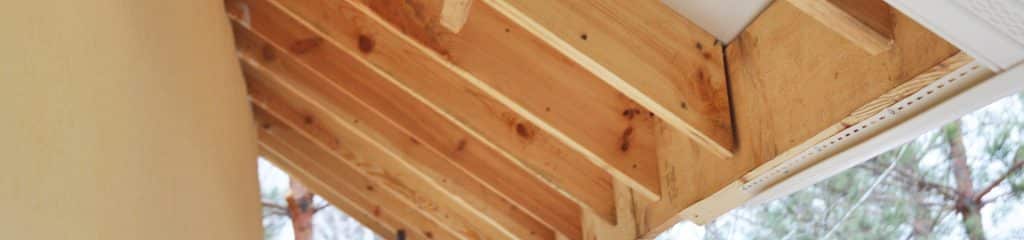
Fascia boards cap the edges of rafters outside a house. They create a smooth appearance for the roofline. The fascia is key to holding up gutters. Without it, gutters would sag or fall off.
The board acts as a finishing touch for roofs. It covers rough edges and creates clean lines on buildings. This makes homes look well-built and cared for.
Properly installed fascias prevent water from seeping into roof materials, which leads to rotting wood and leaks inside homes. They improve how houses look from the street by hiding unsightly roof ends.
Lastly, they block small animals like birds and squirrels from entering attics where they might nest or chew through wires, causing fire hazards.
Materials for Fascia Boards
 There are different fascia board materials that you can choose from. Each has its own advantages and disadvantages. If you need fascia board installation and repair, we install and repair these types of materials:
Wood
Wood is a traditional material used in fascia board construction. It has been the go-to choice for many years. Homeowners often choose wood for its classic look, which adds to a home’s aesthetic appeal. However, wood requires consistent upkeep to prevent rot and decay.
Vinyl
Vinyl fascia boards resist moisture and decay. This makes them a good fit for New Orleans humidity and frequent rain.
These boards need less maintenance than wood, saving time and money over the years. They come in various colors and styles, too. This allows homeowners to match their exterior decor without worrying about regular upkeep.
Aluminum
Aluminum stands out as a highly durable material in extreme weather conditions. It is especially useful in places prone to severe storms or intense sun exposure.
Often installed as a cover over existing wooden fascia, aluminum provides added protection while offering a modern finish. Its longevity means fewer repairs down the line—a big plus for any homeowner considering new materials.
By choosing the right fascia board material, you ensure your home’s roofline stays protected and looks great year-round. Whether opting for traditional wood, low-maintenance vinyl, or sturdy aluminum covers, each choice comes with distinct advantages tailored toward different needs and preferences within residential settings.
Installation Process
Fascia installation follows five steps: preparation, material selection, measuring, installation and finishing. Done properly, it gives you a fascia board that works, looks right and lasts for years.
Preparation
Before installing a residential fascia board in New Orleans, it is crucial to prepare. The first step involves inspecting the existing fascia condition. This helps identify any issues that need addressing before new boards are installed.
Next, gathering the necessary tools and materials is essential. You will need items like a hammer, nails, a saw, a level, and a ladder. Also, ensure you have your chosen fascia material on hand.
Safety cannot be overlooked. It’s important to set up ladders securely and wear protective gear such as gloves and safety glasses.
Material Selection
 Choosing the right material for your fascia board installation matters greatly. The selection should consider three main factors: durability, cost, and appearance.
The local climate in New Orleans can affect materials differently. For instance:
- Vinyl withstands moisture well.
- Wood may require more maintenance due to humidity.
Ensure that the chosen material matches your house siding and style for visual coherence.
Measuring
Accurate measurements are key to the seamless installation of residential fascia boards in New Orleans homes. Measure the length needed carefully—this ensures that each piece fits perfectly into place without unnecessary gaps or overlaps.
Some materials, like vinyl, which expands with heat, leave room for expansion gaps during the measuring process. Always double-check measurements before cutting anything; this avoids wastage of time and resources from incorrect cuts.
Installation
When installing new fascia boards:
- Align them precisely with soffit edges.
- Use fasteners suitable for your specific material type to secure them firmly.
To prevent water damage at joints where different sections meet, seal all edges properly after fastening them down.
Finishing
After securing the fascia boards in place:
- Apply paint or a sealant compatible with your chosen material type.
This step not only protects but also adds an aesthetic touch to your home’s exterior by ensuring even coverage across all installed boards.
Finally, inspect every inch again once you have finished painting or sealing, looking out especially for gaps or imperfections that might compromise both looks and functionality over time.
By following these steps diligently, homeowners can achieve professional-level results when handling their residential fascia board installations
Identifying Damage
 After a proper installation, maintaining the fascia board is key to preserving its function and appearance. Damage can occur over time due to various factors. Recognizing signs of damage early can save homeowners in New Orleans from costly repairs.
Peeling Paint
Peeling paint on a fascia board is not just an eyesore; it’s often a warning sign. It may mean that moisture has seeped underneath, potentially damaging the wood itself. Homeowners should scrape off loose paint and refinish the surface promptly. If peeling is widespread, it could indicate more severe issues with the wood beneath that require repair.
Rotting Wood
Rotted fascia indicates serious trouble, especially in a humid climate like New Orleans. This issue usually stems from prolonged exposure to moisture or insufficient ventilation around roofing components.
Water Stains
Water stains typically point toward leaks within the roofing system or gutters failing to channel water away from the home. Both threaten the property’s integrity.
Gutter Issues
Gutters play an essential role in protecting fascia boards by directing rainwater away safely. When they fail at this job, whether through misalignment or blockage, it threatens nearby wooden surfaces with potential water damage.
Pest Problems
Pests pose another risk factor worth vigilant monitoring near residential facades across New Orleans neighborhoods where infestations aren’t rare occurrences given local climate conditions conducive to such unwelcome guests settling within homes’ exterior nooks, including those surrounding the facades themselves!
Importance of Repair
 Proper fascia board repair is critical for the safety of a home. It ensures that the rafters, which support the roof, remain intact. If these boards are compromised, your entire roof could be at risk. Our technicians in New Orleans assess the integrity of these connections during repairs.
Fascia replacement fixes what’s visible and maintains the stability of your roof structure. We use proper attachment techniques so new boards hold up over time.
Safeguard Your Fascia Board Today
Residential fascia board installation and repair are critical to maintaining the structural integrity and aesthetic value of homes in New Orleans.
Fix fascia board problems promptly to prevent further damage. Our New Orleans roofing professionals at TurnKey Roofers can handle the repair.
For a comprehensive solution to fascia board concerns, reach out to our local experts today and safeguard your investment for years to come.