


 TurnKey Roofers

5 Questions Every Homeowner Should Ask Before Roof Work Begins
Table of Contents Key Takeaways Why Is It Important To Hire A Licensed And Insured Roofer...


Vent pipe leaks constitute a neglected yet common roofing issue that can have serious consequences. Such leaks often spring from compromised flashing, broken seals, or aging materials, allowing water to seep into your home. Failure to act may lead to mold, wood rot, and much larger repair bills.
Understanding the causes and knowing how to remedy vent pipe leaks is essential to keep your roof sound and protect your home investment. Allow us, at TurnKey Roofers, to assist you with your vent pipe matters. Contact us anytime.

Vent pipe leaks often result from material decay, poor installation, or environmental factors. PVC and metal pipes can deteriorate over time from sunlight, heat, or chemical exposure.
Flashing holds the space between vent pipes and roofs. Damaged or poorly applied flashings allow water to penetrate the enclosure when it rains heavily or snows, resulting in roof rotting. One could avoid it by using flashing that consists of durable materials such as galvanized steel or aluminum.
Sealant around vent pipes commonly tends to wear out as a result of sunlight and fluctuations in temperature, thus allowing water to infiltrate. Use updated types of sealants well-suited for strong, harsh weather to create that watertight seal against larger troubles.
Vent pipes can have cracks or tears caused by different debris, animals, or old age. Though PVC and metal pipes are strong, they are not damage-proof. Repairing damaged pipes keeps water out.
Incorrect installations are the leading cause of leaks. Pipes not aligned properly, along with flashing or sealants, beat out bad installation methods when it comes to leak risks. Using the experience of professional roofers ensures appropriate installation, hence reducing such risks.
Old vent pipe parts almost always develop rust and cracking in the sun and heat exposure. Replace these with weather-resistant materials so that the durability and performance may be enhanced.
Once you understand the common causes, it’s time to learn how to recognize them early.
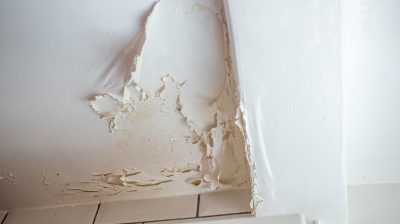
Early detection is essential to prevent small vent pipe leaks from turning into costly damage. They can often be hard to find visually; however, using your eyes, nose, and other senses to look for signs of damage can help you keep easy problems from becoming spiraling ones. The inspection process should take place every six months at least.
Check ceilings for signs of staining or dampness next to vent pipes because these are telltale signs of water intrusion. Check the roof for broken and loose shingles around vent pipes, as well as check the flashing for cracks. In addition, check for rust on metal pipes and any pooling water after a rainstorm, where daylight indicates breaching at pipe penetrations.
In the attic or near vent pipes, the presence of a musty smell indicates moisture being trapped and conducive to mold growth. Constant musty smells suggest ‘secret,’ hidden leaks that require urgent fixing; untreated mold can affect air quality and health.
Watch sagging ceilings or warped walls near vent pipes; these signify long-term leakage. Softened wood in weak roof structures with elevated moisture conditions can cause cracks in drywall and mold. Ignoring such signs compromises the whole integrity of the property and initiates expensive repairs.
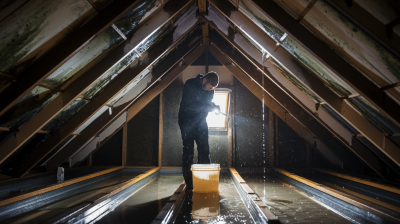
Diagnosing a vent pipe leak requires a systematic approach. Leaks can stem from cracked flashing, worn pipe boots, or poor installation. Some are easy to spot, like water or mold, but inspections and routine checks help pinpoint and fix the problem efficiently.
The attic is crucial for spotting vent pipe leaks. Check insulation and beams for moisture, mold, or water stains, and shine a flashlight along the vent pipe to detect hidden wet spots. Ensure proper attic ventilation, as poor airflow can worsen leaks and mold growth.
Inspect the roof around the vent pipe, checking for damaged shingles, flashing, and seals. Leaks may occur at torn rubber boots, and debris can affect pipe function. Use binoculars, a drone, or infrared imaging to spot hidden water damage.
If the leak remains hard to find, simulate rain on the vent pipe while someone checks the attic. Mark any leaks for targeted repair. Perform this on dry days, and remember—caulking is only a temporary fix; the root cause must be addressed promptly.
Small cracks or worn sealants can be patched with quality caulk, but for damaged flashing, broken pipes, or installation errors, professional repair ensures proper installation and long-term protection. Even small leaks should be addressed promptly to prevent bigger problems. Regular inspections can help catch issues before they escalate. Experienced roofers can handle everything from minor patches to full replacements.
Even small vent pipe leaks can cause big problems over time. Catching early signs like water stains, musty smells, or sagging ceilings lets you fix issues before they get worse.
Let us at TurnKey Roofers inspect your vent pipes and handle any repairs to keep your roof strong and your home safe. Reach out today to protect your investment and gain peace of mind.

Table of Contents Key Takeaways Why Is It Important To Hire A Licensed And Insured Roofer...

Table of Contents 1. Key Takeaways 2. Impact of Roof Condition on Home Value 3. 4 Key Thin...

The roof is one of the most important structures of a building as it protects the entire structur...

Asbestos roofing, once chosen for its durability, now poses significant health risks due to the h...

Identifying roof leaks is a vital step in protecting your home. Start by examining common problem...

Table of Contents 1. Key Takeaways 2. Why Roof History Matters a. Understand Roof Age an...