What Roof Repair Costs in New Orleans by Type of Damage
A roof repair in New Orleans can be a $75 vent boot or a $6,000 structural rebuild, and the gap between those two is usually how long the water was running before anyone looked. HomeGuide’s February 2026 figures put minor repairs at $150 to $1,000 and repairs involving water damage at $1,000 to $6,000 or more.
Below is what each kind of damage tends to cost, what drives the number, and where the line sits between repairing and replacing. The full scope of what we fix is on the TurnKey Roofers homepage.
For a repair price on your own roof, call (504) 732-0336 or send photos through the contact page.
Key takeaways
- Minor repairs run $150 to $1,000, moderate work $1,000 to $3,000, and major repairs with structural damage $3,000 to $6,000 or more.
- Most roofers carry a $150 to $300 minimum call out fee, so a ten minute fix still costs what a small job costs.
- Labor is typically 60 percent or more of a repair bill, at $40 to $100 per hour.
- A vent boot is the cheapest common repair at $75 to $150. A sagging roof is the priciest short of replacement at $1,000 to $5,000.
- Repairs under 50 percent of the roof area don’t trigger the New Orleans re-roofing permit, though other criteria can still apply.
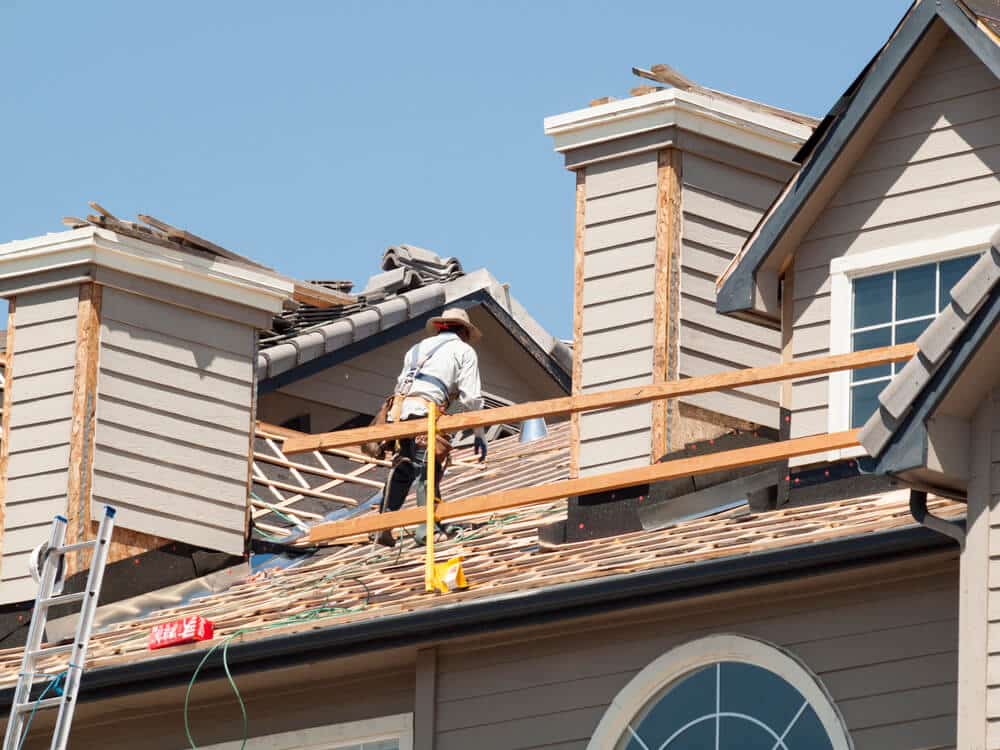
- Roof work is fall risk work. Leave anything past a ground level look to someone tied off.
Repair costs by what’s actually broken
Roofers price repairs by the fix, not by the square, until the damaged area gets big enough to reroof a section. These are HomeGuide’s 2026 averages.
| Repair | Typical cost |
|---|---|
| Vent boot repair | $75 to $150 |
| Missing shingles, up to 25 | $100 to $300 |
| Underlayment or felt repair, per 100 SF | $75 to $400 |
| Flashing repair | $200 to $500 |
| Vent replacement | $200 to $700 |
| Valley replacement | $200 to $850 |
| Roof deck repair, per 100 SF | $200 to $500 |
| Chimney repair | $200 to $1,200 or more |
| Soffit and fascia repair | $500 to $2,600 or more |
| Sagging roof repair | $1,000 to $5,000 |
| Truss or rafter repair | $500 to $5,000 |
Vent boots and pipe flashing
The rubber boot around a plumbing vent is the single most common small leak we get called for. It cracks from heat and UV long before the shingles around it are finished.
HomeGuide puts a boot repair at $75 to $150 and vent pipe flashing at $200 to $500. Both sit well under most minimum call out fees, so it’s worth bundling several small items into one visit.
Flashing, valleys and chimneys
Flashing is the thin metal at every joint and penetration, and the National Park Service’s roofing brief calls flashing failure a major cause of roof deterioration. It fails from poor workmanship, thermal movement, or the metal and its fasteners corroding.
Flashing repair runs $200 to $500, chimney flashing $200 to $1,000, and a valley replacement $200 to $850. Replacing all the flashing on a roof runs $500 to $1,500 or more because the surrounding shingles have to come off and go back.
Missing and broken shingles
Wind takes shingles off in strips, usually along a rake or a ridge. Replacing up to 25 shingles costs $100 to $300, and reshingling a full square costs $350 to $1,000.
Get them back on quickly. Every day an exposed section sits open is another chance for the underlayment and deck to take on water.
Decking, sagging and structure
Once water has been sitting on the deck, the repair stops being a roofing job and starts being carpentry. Deck repair is $200 to $500 per 100 square feet and wet insulation replacement is $100 to $450 per 100 square feet.
A sagging roof is a different category. HomeGuide notes that a sagging roof is potentially dangerous and that repairs should start with an inspection and design plan from a structural engineer, which costs $300 to $1,000 on its own.
Repair cost by roofing material
The same hole costs different money depending on what’s around it. Slate and tile need specialist hands and matching material, so a small repair carries a bigger minimum.
- Asphalt and architectural shingles. $100 to $300 for a minor repair, $350 to $1,000 per square.
- Flat, rolled or single ply. $200 to $500 minor, $250 to $1,000 per square.
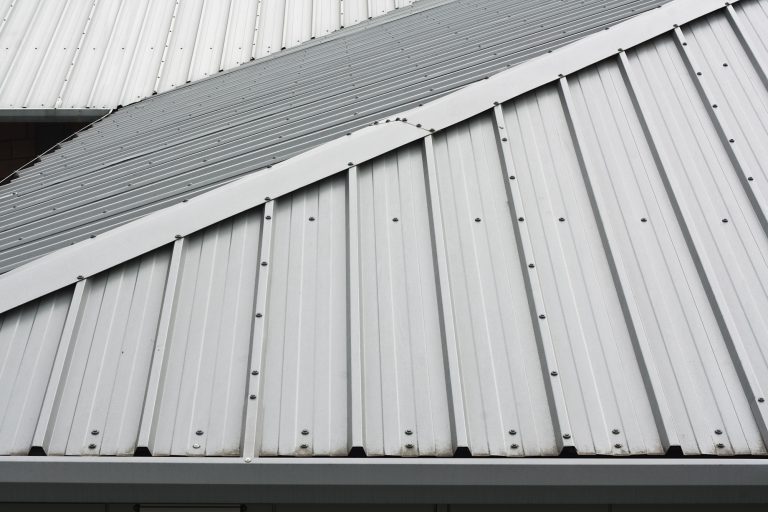
- Metal. $200 to $600 minor, $500 to $1,500 or more per square. Typical work is rust removal, resealing loose seams and fasteners, and corrosion resistant coating.
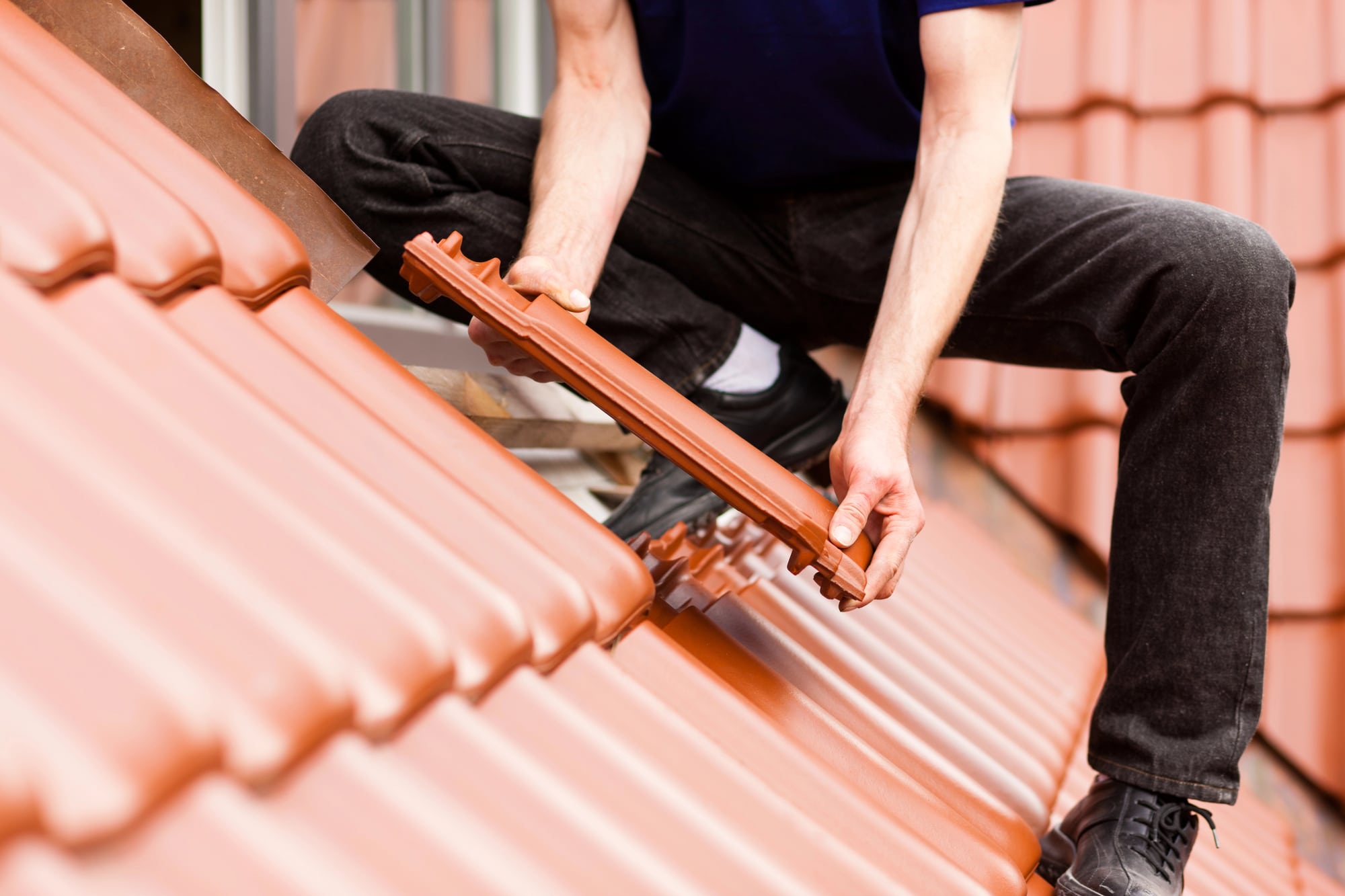
- Tile. $200 to $500 minor, $500 to $2,500 per square, or $60 to $125 per tile where there’s no damage underneath.
- Slate. $500 to $750 minor and $1,000 to $3,000 per square, reflecting both the material and the skill needed to set it.
- Wood shakes. $250 to $500 minor, $500 to $1,500 per square.
What moves the number up or down
Two houses with identical damage rarely get identical quotes. These are the factors that account for most of the difference.
- Access and height. Complex roof shapes, steep pitches and multi story homes cost more because of the time and safety setup.
- Roof age. Older materials are more brittle, so more of the surrounding roof gets disturbed during the repair.
- Time of year. Demand spikes after severe weather and through spring and summer, and prices follow.
- Emergency service. Unscheduled repairs typically add $200 to $300, and after hours work can run time and a half.
- Tarping. An emergency tarp runs $1.00 to $2.80 per square foot, and some roofers waive it if you hire them for the permanent fix.
- Permits. HomeGuide puts roofing permits at $70 to $250 when repairing more than 100 square feet or 25 percent of the roof.
When repairing stops making sense
There’s a point where another patch is just rent on a roof you’re going to replace anyway. HomeGuide’s threshold test is worth running before you approve a large repair.
- The roof is more than 20 years old.
- The repair estimate is over $3,000.
- The damage affects more than 25 percent of the roof.
Hit two of those three and it’s time to price a replacement alongside the repair. Our residential roof repair page covers what we fix, and this comparison of roof restoration against roof repair explains the middle option.
Permits and paperwork in Orleans Parish
The city’s residential re-roofing permit applies to single and two family homes where 50 percent or more of the roof is being replaced. Work under that threshold is exempt unless other criteria apply.
Louisiana follows the 2021 International Residential Code, and section R908.5 has a detail that catches people out on tile and slate repairs. Existing slate, clay or cement tile can be reinstalled, but damaged, cracked or broken pieces can’t go back on the roof.
What to check from the ground after a storm
You can do a useful first pass without a ladder, and it gives whoever you call something to work from. Take photos for your own records as you go, with the date on them.
- The yard and gutters. Granules washed into the downspout splash blocks, or shingle pieces in the flower beds, both point at surface loss up top.
- The roof line, with binoculars. Look for lifted tabs, bare black patches where a shingle is gone, and any run of shingles that sits out of line with its neighbors.
- Ridges, rakes and edges. Wind lifts from the perimeter first, so the edges tell you more than the middle of a slope does.
- Metal at the chimney and vents. Bent, lifted or missing flashing is a leak waiting on the next rain.
- Ceilings and wall tops inside. A fresh brown ring or a soft spot in the drywall puts a rough location on the entry point.
- The attic, in daylight. Wet sheathing, dark staining on rafters and daylight through the deck are all worth a photo.
None of that requires getting on the roof, and none of it should. Hand the photos to the roofer and let them do the climbing.
Staying off the roof
Almost every repair on this page involves standing on a sloped surface, often near power lines or a gutter edge. OSHA requires fall protection for construction work at six feet and above, which is most residential roof work.
Look from the ground with binoculars, and look at the ceilings and the attic from inside. After a storm, in wind, or on anything wet, stay off the roof and call someone who’s equipped for it. Our commercial roof repair page covers the same principle on flat and low slope buildings.
Frequently asked questions
What is the cheapest way to repair a roof?
Catching it early and bundling. The cheapest individual repairs are vent boots at $75 to $150 and a handful of missing shingles at $100 to $300, but most roofers charge a $150 to $300 minimum for the visit. Having one roofer handle several small items on a single trip costs far less than three separate call outs.
How much should I pay for roof repairs?
Judge it against the damage level, not a flat rate. Minor work sits at $150 to $1,000, moderate work at $1,000 to $3,000, and major repairs with structural damage at $3,000 to $6,000 or more. Get three to five in person estimates, ask for an itemized quote in writing, and be wary of an unusually low bid or a push toward full replacement when only small repairs were found.
Does a roof repair need a permit in New Orleans?
The residential re-roofing permit kicks in at 50 percent or more of the roof, so most spot repairs fall outside it. Larger sectional work can cross that line, and HomeGuide notes permits commonly apply once a repair passes 100 square feet or a quarter of the roof. Ask your contractor to confirm before work starts.
How long does a roof repair take?
Most repairs take between 30 minutes and one day. Jobs that turn into structural work take longer, and anything needing a structural engineer’s plan adds days before the first shingle moves. Weather in a New Orleans summer moves schedules more than anything else.
Get the repair priced before it grows
A $200 flashing repair and a $4,000 deck rebuild often start as the same drip. The difference is how many rain events happened in between.
We’ll look at it, tell you plainly whether it’s a repair or a replacement, and put the number in writing. Call (504) 732-0336 or reach us through the contact page.
Related reading
- How to Identify and Fix Common Roof Leaks
- Warning Signs Your Home Needs a Roofing Contractor Immediately
- The Truth About Vent Pipe Leaks and What You Can Do
Sources
Common questions about working with us
Yes we do, we offer 50 year non pro-rated warranty and 10 year workmanship warranty. We also offer 15 year unlimited wind warranty even from a named storm.
Turnkey roof repair is a comprehensive service where the entire roof repair process is managed from start to finish by a single provider. This includes assessment, planning, execution, and final inspection.
The TurnKey process includes a thorough roof inspection, detailed project planning, sourcing of materials, execution of repairs, and a final inspection to ensure quality and client satisfaction.
The duration varies based on the extent of damage and the size of the project. A professional assessment will provide a more accurate timeline.
Look out for signs such as leaks, missing or damaged shingles, sagging areas, or visible water damage in your ceiling. If you’re unsure, a professional assessment is recommended.
We work across New Orleans and 13 more communities: Metairie, Kenner, Harahan, River Ridge, St. Rose, Gretna, LaPlace, Covington, Mandeville, Madisonville, Slidell, Hammond and Baton Rouge. Call 504-732-0336 and we’ll confirm we cover your street.
Yes. Our 15-year unlimited wind warranty applies even when the damage comes from a named storm. It sits alongside our 50-year non-prorated warranty and 10-year workmanship warranty.
It depends on the size and pitch of the roof, the material you choose, and whether any decking or flashing needs replacing. After a free roof inspection, we give you a plan and a quote. For a breakdown by material and roof size, read our guide to roof replacement cost in New Orleans.